Commercial real estate is a popular investment option for people looking to earn rental income and build long-term wealth. However, choosing the right type of commercial property can be challenging. While some investors prefer shops in busy markets because of their visibility and potential rental demand, others consider warehouses attractive due to the growth of logistics, e-commerce, manufacturing, and organised retail.
Both warehouses and shops can generate rental income, but they differ in location requirements, purchase costs, tenant profiles, maintenance responsibilities, and resale potential. A shop in a high-footfall market may attract businesses such as retailers, salons, pharmacies, and food outlets. A warehouse, on the other hand, may appeal to logistics companies, wholesalers, distributors, and manufacturers that need storage or operational space.
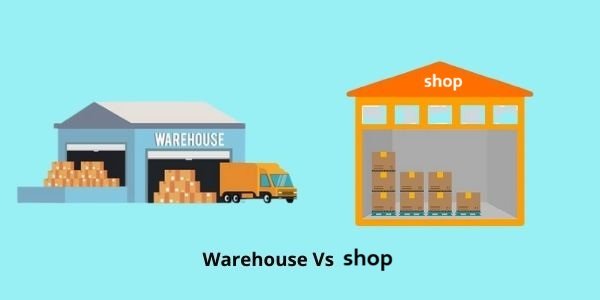
The better investment depends on your budget, preferred location, income expectations, risk tolerance, and investment horizon. Shops may suit investors who prioritise accessibility and a broad pool of potential tenants, while warehouses may appeal to those seeking larger commercial spaces and longer-term business leases. Evaluating the advantages and disadvantages of each option can help you make a more informed investment decision.
What Is a Commercial Shop Investment?
A commercial shop is a property used for activities such as retail sales, customer services, food businesses, and other commercial operations. Shops are commonly located in shopping complexes, high streets, neighbourhood markets, malls, and mixed-use developments.
Their investment potential often depends on visibility, pedestrian movement, road access, parking availability, surrounding residential areas, and the presence of complementary businesses.
For example, a shop near a busy residential neighbourhood may attract a grocery store, pharmacy, bakery, or salon. A property in a premium shopping district may appeal to branded retailers or speciality businesses.
However, a high-profile location does not guarantee strong returns. Purchase prices, maintenance charges, competition, vacancy periods, and the financial strength of tenants must also be considered.
What Is a Warehouse Investment?
A warehouse is a commercial property used to store, sort, distribute, or manage goods. Warehouses may serve e-commerce businesses, third-party logistics providers, manufacturers, wholesalers, retailers, and import-export companies.
These properties are often located near highways, industrial areas, freight corridors, transport hubs, and major consumption centres. Their value depends on factors such as road connectivity, loading facilities, floor strength, ceiling height, available power, security, and suitability for the intended business.
The expansion of online shopping and organised supply chains can support demand for well-located warehouses. However, demand varies by region, infrastructure quality, tenant requirements, and the type of facility.
A warehouse with poor connectivity or unsuitable specifications may remain vacant even when the broader logistics market is growing.
Warehouse vs Shop: Key Differences
| Factor | Shop | Warehouse |
| Typical tenants | Retailers and service businesses | Logistics, storage, and distribution businesses |
| Location priority | Visibility and customer access | Transport connectivity and operational access |
| Investment size | Can be relatively small | Often requires a larger investment for a suitable facility |
| Rental demand | Influenced by local footfall and spending | Influenced by logistics, industrial, and distribution activity |
| Maintenance | Common-area charges and shop upkeep | Structural maintenance, access areas, and specialised facilities |
| Tenant requirements | Display space, frontage, and customer access | Loading areas, storage capacity, and vehicle movement |
| Potential lease duration | Varies by tenant and location | May be longer for established operational tenants |
| Main risks | Competition, changing footfall, and retail vacancies | Location mismatch, specialised property needs, and tenant concentration |
Actual costs and returns depend on the property, local market, lease terms, and condition of the building.
Rental Income: Which Property Offers Better Returns?
Rental income is one of the most important factors in commercial property investment. Neither shops nor warehouses consistently provide higher rental yields across all markets.
A shop in a prime commercial area may command substantial rent because of its visibility and access to customers. However, its purchase price may also be high, reducing the rental yield relative to the investment.
Warehouses may offer attractive income opportunities when they are located near major transport routes and leased to financially stable businesses. Yet construction costs, land requirements, specialised specifications, and vacancy periods can significantly affect the overall return.
Investors should calculate rental yield rather than relying on advertised monthly rent.
Gross rental yield = (Annual rental income ÷ Total property purchase cost) × 100
For example, if a commercial property costs ₹60 lakh and generates ₹4.8 lakh in annual rent, its gross rental yield is 8%. This figure does not account for maintenance, property taxes, insurance, vacancy, repairs, financing costs, or other expenses.
A more useful comparison considers net rental income after recurring expenses and an allowance for vacancy.
Initial Investment and Maintenance Costs
Shops can be suitable for investors with smaller budgets, particularly when buying compact units in established neighbourhoods. However, premium retail locations may command high prices, and mall shops can involve substantial common-area maintenance charges or other contractual expenses.
Warehouses often require more space and may involve higher total capital investment. A modern warehouse may also need adequate flooring, loading docks, fire-safety systems, ventilation, security, and vehicle access. Investors purchasing land to develop a warehouse must account for construction and approval costs as well.
Maintenance responsibilities depend on the lease agreement. Some commercial leases place certain operational expenses on tenants, while landlords remain responsible for specified structural or capital repairs.
Before investing, estimate the total acquisition cost, recurring expenses, likely refurbishment costs, and the amount of money required during vacancy periods.
Risks and Vacancy Considerations
A shop’s performance may depend heavily on local consumer activity. Changes in footfall, competition, road access, parking, or nearby development can affect rental demand. Small retailers may also be vulnerable to changing consumer preferences and business conditions.
Warehouse investments face different risks. A property may lose appeal if transport routes change, infrastructure is inadequate, or businesses require more modern facilities. A warehouse designed for one specialised tenant may also be expensive to adapt for another use.
Tenant concentration is another important consideration. If a single business generates all the rental income, the investor may face a substantial income gap when the lease ends.
Checking tenant credentials, lease terms, security deposits, escalation clauses, termination provisions, and renewal conditions can reduce some of these risks.
Legal Checks Before Buying a Shop or Warehouse
Due diligence is essential for both types of commercial property. Investors should verify ownership documents, title history, encumbrances, land-use permissions, sanctioned building plans, occupancy-related approvals, and applicable fire-safety requirements.
For warehouses, confirm that the land and building are legally permitted for the intended storage, logistics, industrial, or commercial activity. For shops, verify the permitted commercial use and any restrictions imposed by the development or local authority.
Also review the lease agreement, maintenance obligations, property tax liabilities, applicable GST treatment, and other tax implications with qualified professionals. Regulatory requirements can vary by state, property type, and transaction structure.
Conclusion: Which Is Better for Commercial Investment?
A warehouse and a shop can both be worthwhile commercial investments, but neither is automatically better. A shop may be suitable for investors who want a smaller unit in a strong retail location with broad local tenant demand. A warehouse may be more appropriate for investors who understand logistics or industrial property markets and can assess transport access, facility specifications, and business tenancy requirements.
Before making a decision, compare net rental yield, purchase price, vacancy risk, tenant quality, maintenance costs, resale demand, and legal compliance. The best investment is the property whose income potential and risks match your financial goals, rather than simply the one with the highest advertised rent.
Frequently Asked Questions
Q. Is a warehouse a better investment than a shop?
Not in every situation. A warehouse may suit logistics-focused investment strategies, while a shop may perform well in a strong retail location. The better option depends on the property and local demand.
Q. Which property is easier to rent out?
A shop in a busy market may attract a range of small businesses, while a warehouse may appeal to specialised commercial tenants. Local demand and property suitability determine how quickly either can be rented.
Q. Which offers higher rental yield: a shop or a warehouse?
There is no universal winner. Compare annual rent with the total purchase cost and calculate net yield after expenses and vacancy allowances.
Q. Can beginners invest in warehouses?
Yes, but they should understand industrial land use, logistics access, building specifications, tenant requirements, and legal approvals before investing.
Q. What is the biggest risk in commercial property investment?
Vacancy and weak tenant demand are major risks. Overpaying for the property, unexpected maintenance costs, legal issues, and dependence on a single tenant can also reduce returns.