A home loan is a long-term financial commitment, and even a small difference in the interest rate can affect the total repayment amount over several years. If you already have a home loan and discover that another bank or housing finance company offers more favourable terms, you may consider transferring your outstanding loan to that lender. This process is known as a home loan balance transfer.
A balance transfer can help borrowers reduce interest costs, lower monthly EMIs, or obtain better loan servicing. However, switching lenders is not always financially beneficial. Processing fees, legal charges, property valuation expenses, and other costs may reduce the savings. The new lender will also assess your eligibility before approving the transfer.
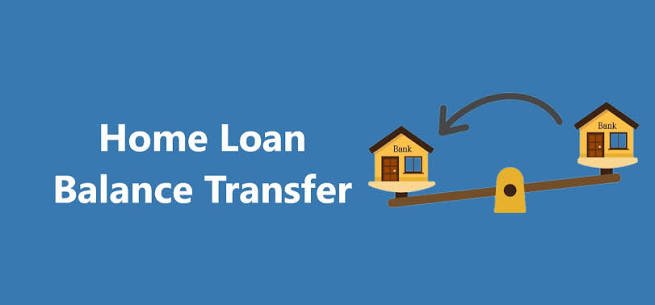
Before making a decision, understand how a home loan balance transfer works, its advantages and disadvantages, and how to calculate whether switching lenders makes financial sense.
What Is a Home Loan Balance Transfer?
A home loan balance transfer involves moving your outstanding home loan from your existing lender to another bank or housing finance company. The new lender pays the outstanding amount to the original lender, and you continue repaying the remaining loan under the new lender’s terms.
For example, suppose you have an outstanding home loan balance of ₹35 lakh at an interest rate of 9% per annum. Another lender offers an eligible borrower an interest rate of 8.25%. If you qualify for the offer, transferring the loan may reduce your future interest costs.
However, the actual savings depend on the remaining tenure, outstanding principal, applicable fees, and the new lender’s terms. A lower interest rate alone does not guarantee that the transfer will be worthwhile.
Benefits of a Home Loan Balance Transfer
Lower Interest Rate
The main reason borrowers consider a balance transfer is to obtain a lower interest rate. When the new lender offers a substantially better rate, the interest payable over the remaining loan period may decrease.
This can be particularly beneficial when the outstanding principal is still significant and several years remain before the loan is fully repaid.
Before switching, compare the interest rate offered by the new lender with your existing rate and check whether both loans have similar rate structures.
Reduced Monthly EMI
A lower interest rate may reduce your monthly EMI if the outstanding balance and remaining tenure stay the same.
For example, a borrower with a substantial outstanding balance may experience meaningful monthly savings after moving to a lower-rate loan. These savings can help manage household expenses, build an emergency fund, or support other financial goals.
Alternatively, you may choose to maintain a similar EMI and shorten the repayment period, potentially reducing the total interest payable further.
Better Loan Terms
A balance transfer may provide access to more suitable repayment options, better customer service, or clearer loan management facilities.
Depending on the lender, borrowers may also be able to negotiate terms relating to repayment flexibility or other loan features. However, these benefits vary, so review the actual offer rather than assuming that a new lender will automatically provide better service.
Opportunity to Consolidate Additional Borrowing
Some lenders offer a top-up loan alongside a balance transfer, subject to eligibility and their lending policies. This allows a borrower to access additional funds beyond the outstanding home loan balance.
A top-up loan may be useful for a permitted financial requirement, but it increases total debt. Compare its interest rate, repayment tenure, and overall cost before accepting it.
Drawbacks of a Home Loan Balance Transfer
Processing and Transfer Costs
Switching lenders can involve processing fees, legal verification charges, property valuation costs, documentation expenses, and other applicable fees.
Even if the new interest rate is lower, these costs can reduce the net benefit. A transfer that saves only a small amount each month may not justify the expense, particularly when the remaining loan tenure is short.
Ask the new lender for a complete breakdown of charges before proceeding.
Eligibility Requirements
A balance transfer is not automatically approved. The new lender typically reviews your credit score, income, repayment history, existing financial obligations, and property documents.
If your financial circumstances have changed or your credit profile has weakened, the application may be rejected or the lender may offer less favourable terms than expected.
You should obtain a clear estimate of your eligibility before spending money on the transfer process.
Additional Documentation and Time
Transferring a home loan requires paperwork and coordination between the existing and new lenders. You may need to provide identity documents, income proofs, bank statements, loan account details, property documents, and a statement of outstanding dues.
Legal and technical checks may also be required. The process can take time, so borrowers should plan for the administrative work involved.
Potential Loss of Existing Benefits
Your current lender may offer useful features, favourable contractual conditions, or repayment flexibility that may not be available with the new lender.
If you transfer the loan, review the new agreement carefully. Do not focus solely on the interest rate while overlooking other conditions that could affect your borrowing costs or repayment experience.
Home Loan Balance Transfer: An Illustrative Comparison
Consider a borrower with an outstanding balance of ₹30 lakh and a remaining tenure of 15 years.
| Particular | Existing Loan | New Loan |
| Outstanding principal | ₹30 lakh | ₹30 lakh |
| Interest rate | 9% | 8% |
| Remaining tenure | 15 years | 15 years |
| Approximate monthly EMI | ₹30,428 | ₹28,669 |
Under these assumptions, the monthly EMI would decrease by approximately ₹1,759. If the rates remained unchanged throughout the remaining tenure, the lower-rate loan would also reduce the total interest payable.
These figures are illustrative and rounded. Actual savings depend on the lender’s calculation method, future rate movements, transfer expenses, and loan terms. A borrower should compare the net savings after all costs rather than relying on the EMI difference alone.
How to Decide Whether a Balance Transfer Is Worth It
Before transferring your home loan, follow these steps:
- Check your outstanding balance: Obtain an updated statement from your existing lender.
- Compare interest rates: Confirm the new lender’s actual offer and whether the rate is fixed or floating.
- Calculate total savings: Compare the projected interest under both loans for the remaining tenure.
- Include transfer expenses: Subtract processing, legal, valuation, and other applicable costs from the estimated savings.
- Review the repayment period: Avoid extending the tenure without understanding how it affects the total interest.
- Negotiate with your current lender: Ask whether your existing lender can offer a rate reduction or other revised terms without requiring a transfer.
A balance transfer is generally more attractive when the potential savings are substantial, the remaining tenure is long, and the transfer costs are relatively low.
Conclusion
A home loan balance transfer can help borrowers reduce interest costs, lower monthly EMIs, and obtain more suitable loan terms. However, it also involves expenses, eligibility checks, documentation, and the possibility of losing existing benefits.
The best decision depends on the outstanding principal, remaining tenure, interest rate difference, and total transfer costs. Compare the complete financial impact before switching lenders. If your current lender can offer similar terms without significant expenses, negotiating a rate reduction may be a simpler alternative.
Frequently Asked Questions
Q. Is a home loan balance transfer beneficial?
It can be beneficial if the new lender offers a sufficiently lower interest rate and the savings exceed all transfer costs. The benefit depends on your outstanding balance and remaining tenure.
Q. Can I transfer my home loan to another bank at any time?
You can generally apply for a transfer, subject to the existing loan terms and the new lender’s eligibility requirements. Approval is not guaranteed.
Q. Does a home loan balance transfer affect my credit score?
The new lender may conduct a credit enquiry, which can have an impact depending on the scoring model. Your repayment history and overall credit profile remain important.
Q. Can I get a top-up loan with a home loan balance transfer?
Some lenders offer top-up loans to eligible borrowers. Check the additional interest rate, repayment terms, and total borrowing cost before accepting one.
Q. Should I transfer my home loan for a small interest rate reduction?
Not necessarily. Calculate the net savings after transfer costs and consider the remaining tenure. A small rate reduction may not justify switching if the loan is close to repayment.