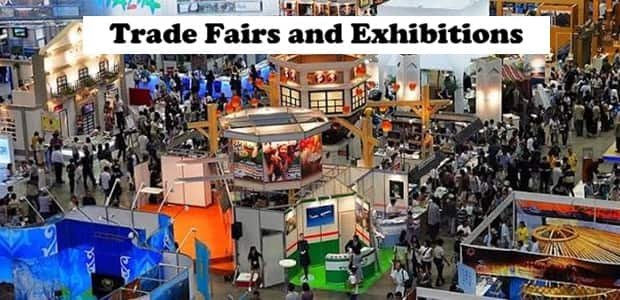
Exhibitions remain one of the few places where a buyer can inspect a product, challenge its specifications, compare competing suppliers, and negotiate commercial terms during visits.
In 2026, specialist exhibitions connect India’s supply chains with overseas customers while large consumer-facing fairs provide brand visibility. Their commercial value differs. An exporter seeking qualified distributors should not evaluate a trade-only sourcing event using the footfall of a public shopping festival. Booth rent, samples, staff travel, logistics, and follow-up sales determine returns.
This guide profiles ten confirmed Indian exhibitions from the 2026 calendar, including events already held and scheduled later this year. Dates reflect organizers’ published notices and should be rechecked before making commitments. Let’s check out the top 10 trade fairs and exhibitions in India in 2026.
At-a-Glance Comparison
| No. | Exhibition | 2026 Dates | Venue and Sector |
| 1 | India International Trade Fair | 14–27 November | Bharat Mandapam, New Delhi; multisector |
| 2 | Bharat Tex | 14–17 July | Bharat Mandapam, New Delhi; textiles |
| 3 | IHGF Delhi Fair, Autumn | 13–17 October | Greater Noida; handicrafts and lifestyle |
| 4 | IIJS Bharat Premiere | 5–10 August* | Mumbai; gems and jewellery |
| 5 | AAHAR | 10–14 March | Bharat Mandapam, New Delhi; food and hospitality |
| 6 | IMTEX Forming | 21–25 January | BIEC, Bengaluru; machinery |
| 7 | electronica India | 16–18 September | BIEC, Bengaluru; electronic components |
| 8 | India Chem | 22–24 October | Bombay Exhibition Centre, Mumbai; chemicals |
| 9 | India International Leather Fair | 1–3 February | Chennai Trade Centre; leather and footwear |
| 10 | India International Footwear Fair | 6–8 August | Bharat Mandapam, New Delhi; footwear |
Detailed Profiles of the Top 10 Trade Fairs
1. India International Trade Fair: Broad Market Discovery
Organized by the India Trade Promotion Organisation (ITPO), the 45th India International Trade Fair is scheduled for November 14–27, 2026 at Bharat Mandapam. Its theme, Vikas aur Virasat, links commerce with regional products, crafts, and innovation. The format combines trade engagement with public access, offering consumer brands opportunities to study demand as well as meet distributors. Exhibitors should confirm business-only days, hall placement, sales permissions, and staffing needs. Attendance alone does not establish meaningful wholesale purchasing interest.
2. Bharat Tex: Textile Supply Chains Under One Roof
Bharat Tex took place on July 14–17, 2026 in New Delhi with support from the Ministry of Textiles and industry bodies. It brought together fibres, yarn, fabrics, apparel, technical textiles, machinery, and sustainability discussions. A sourcing manager can compare manufacturers across production stages instead of visiting separate fairs. Exhibitors benefit when they prepare fabric specifications, minimum order quantities, audit information, and sampling terms. Buyers must still investigate labour practices, traceability, and manufacturing capacities after introductory meetings.
3. IHGF Delhi Fair: Global Handicraft Sourcing
The Export Promotion Council for Handicrafts organized the Autumn IHGF Delhi Fair from October 13–17 at India Expo Centre and Mart, Greater Noida. Product segments include home décor, furniture, gifts, textiles, fashion accessories, and handmade products. Its trade-oriented format particularly suits international wholesalers looking for Indian craftsmanship. Sellers should bring export-ready catalogues, material specifications, quality procedures, and price lists covering shipment terms.
4. IIJS Bharat Premiere: Jewellery Business Networks
The Gem and Jewellery Export Promotion Council held IIJS Bharat Premiere across the Jio World Convention Centre from August 5–9 and Bombay Exhibition Centre from August 6–10, 2026. Diamonds, gold jewellery, lab-grown stones, and manufacturing technology occupied different product sections. The format connects jewellers with retailers, exporters, suppliers, and international visitors. Participants should verify buyer credentials, precious-metal documentation, hallmarking obligations, and responsible sourcing. A premium-looking booth does not replace transparent pricing or traceable inventory.
5. AAHAR: Food Processing and Hospitality Procurement
AAHAR’s 40th edition ran March 10–14, 2026 at Bharat Mandapam, jointly organized by ITPO and the Ministry of Food Processing Industries. Exhibits covered packaged food, ingredients, beverages, kitchen equipment, and hotel supplies. Useful preparation includes FSSAI details, shelf-life evidence, product samples, storage conditions, and institutional price lists. Buyers should test supplier consistency and after-sales service rather than relying on tasting demonstrations.
6. IMTEX Forming: Machinery for Factory Investment
The Indian Machine Tool Manufacturers’ Association held IMTEX Forming at Bengaluru’s BIEC from January 21–25, 2026. Concurrent exhibitions included Tooltech, Digital Manufacturing, and Weldexpo. Manufacturers could examine metal-forming equipment, CNC machinery, robotics, tooling, and welding systems. The exhibition is especially useful when upgrading plant capacity because engineers can discuss tolerances and cycle times directly. Procurement teams should request live demonstrations, maintenance schedules, warranty terms, operator training, and total operating costs before finalizing equipment orders.
7. electronica India: Components and Electronics Manufacturing
electronica India held 2026 editions in Greater Noida in April and Bengaluru on September 16–18 alongside productronica India. Organizers reported 793 exhibitors and 52,411 trade visitors for the Bengaluru combined edition, figures not attributable to one show separately. The exhibition serves semiconductor components, embedded electronics, manufacturing equipment, and sourcing teams. Buyers should prepare technical specifications, qualification procedures, and testing requirements. Component availability, counterfeit controls, and approved vendor lists matter as much as introductory pricing.
8. India Chem: Chemical Manufacturing and Partnerships
The Department of Chemicals and Petrochemicals and FICCI scheduled India Chem for October 22–24, 2026 at Mumbai’s Bombay Exhibition Centre. The biennial exhibition and conference covers commodity chemicals, speciality chemicals, petrochemicals, machinery, and investment discussions. It suits suppliers seeking industrial customers rather than casual consumer visibility. Serious discussions require safety data sheets, regulatory registrations, hazardous-goods transport plans, and clear delivery terms. Participation should support technical qualification and durable contracts, not just publicity around national manufacturing ambitions.
9. India International Leather Fair: Export-Ready Leather Goods
ITPO organized the 39th India International Leather Fair on February 1–3, 2026 at Chennai Trade Centre. It showcased leather, finished goods, footwear components, machinery, chemicals, and production technology. Leather exporters can meet sourcing agents and compare material innovations. They should prepare documentation on restricted substances, tanning practices, environmental controls, and product testing. Buyers increasingly expect evidence of origin and manufacturing compliance.
10. India International Footwear Fair: Components to Finished Shoes
The 10th India International Footwear Fair was scheduled for August 6–8, 2026 at Bharat Mandapam, New Delhi. ITPO positioned it as a business-to-business exhibition covering finished footwear, synthetic materials, components, chemicals, and machinery. Its specialized scope helps footwear makers compare inputs and machinery with finished-product opportunities. Before attending, suppliers should set target order quantities and certification requirements. Buyers should evaluate fit, durability testing, manufacturing lead times, and whether vendors can maintain repeatable quality at scale.
How Exhibitors Can Measure Commercial Return
- Choose the right buyers: Match the show’s trade or consumer audience to your sales channel and target market.
- Budget completely: Include booth rental, freight, product samples, travel, accommodation, sales staff, and follow-up costs.
- Book meetings early: Invite qualified buyers and record product requirements before travel.
- Qualify every lead: Separate retail enquiries from distributors with genuine purchasing authority.
- Follow through: Send customized quotations promptly, record sample approvals, and measure confirmed orders against expenditure.
Conclusion
The best exhibition is the one that brings relevant buyers within reach of a supplier ready to deliver. India’s 2026 calendar offers meaningful opportunities across manufacturing, fashion, food, and exports. Plan participation around commercial objectives, independently verify event details, and track outcomes after the exhibition closes.