A courier partner affects profit long after checkout. An inexpensive shipping label can become costly when a parcel returns undelivered, the carrier bills higher volumetric weight, or cash-on-delivery collections arrive late. For Indian ecommerce sellers in 2026, reliable last-mile service is as important as marketplace advertising and product quality. Customer expectations also vary: a metro buyer may expect next-day delivery while a remote destination requires wider postal coverage.
India’s options include parcel networks, premium express carriers, local delivery specialists and cross-border providers. Aggregators can route orders among carriers but are not themselves interchangeable with the transport companies moving parcels. Ecom Express should no longer be listed independently: Delhivery completed its acquisition in 2025 and integrated its express volumes.
Sellers should compare performance by pickup and destination postcode, not nationwide promises. Let’s check out the top 10 courier services for ecommerce sellers in India in 2026.
| No. | Courier Service | Best Use | Operational Focus |
| 1 | Delhivery | D2C and high-volume parcels | API, COD and returns |
| 2 | Blue Dart | Express and valuable parcels | Time-sensitive air logistics |
| 3 | DTDC | SME parcel shipping | Domestic franchise network |
| 4 | Xpressbees | Marketplace-style logistics | Forward and reverse fulfilment |
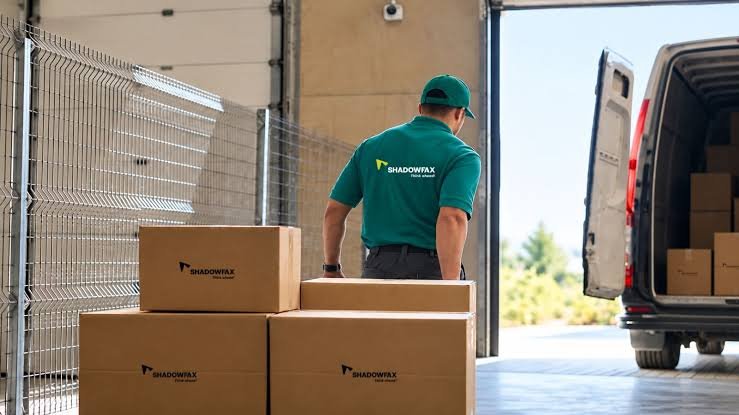
| 5 | Shadowfax | Local and last-mile deliveries | Rapid and hyperlocal service |
| 6 | Ekart Logistics | Ecommerce parcels | Integrated fulfilment network |
| 7 | India Post | Rural and small-town access | Speed Post Parcel and COD |
| 8 | Amazon Shipping | Independent online merchants | Seven-day parcel delivery |
| 9 | DHL Express India | International ecommerce | Customs-led export express |
| 10 | FedEx India | International parcel exports | Global priority and economy |
1. Delhivery: Nationwide Ecommerce Parcel Operations
Delhivery One supports direct-to-consumer brands with shipment creation, pickup scheduling, order tracking, exception handling and customer returns. The company advertises serviceability across more than 18,000 postal codes, although individual services vary. Merchants can link ecommerce stores or APIs and manage non-delivery reports (NDR). Its 2025 Ecom Express acquisition expanded the consolidated business rather than creating an additional independent carrier option. Compare pickup dependability, COD remittance conditions, RTO tariffs and damaged-shipment claims against real shipment records.
2. Blue Dart: Premium Speed and Shipment Controls
Blue Dart operates domestic express services and draws on aviation and specialized handling capabilities. It can suit higher-value electronics, urgent replacement parts and shipments where predictable transit matters more than minimum freight. Sellers should check committed service zones, proof-of-delivery processes, declared-value coverage and exceptions during disruptions. Calculate dimensional weight and remote-area surcharges before assigning high-volume, low-margin products to premium express services.
3. DTDC: Accessible Domestic Parcel Network
DTDC offers domestic courier products supported by a broad franchise and service network. Smaller merchants may value collection options and regional branch access, particularly when shipments start outside major fulfilment centres. Request a written rate card that addresses COD, weight slabs, RTO charges and liability for damaged parcels. Test pickup escalation and customer delivery updates during a sample period.
4. Xpressbees: Ecommerce Forward and Reverse Shipping
Xpressbees focuses on logistics for ecommerce and associated supply chains, including first-mile pickup, delivery and reverse operations. It can suit merchants with many consumer parcels and frequent product exchanges. Evaluate destination coverage using an actual postcode file rather than companywide reach figures. Request a return-status workflow that distinguishes customer-initiated pickups from undelivered RTO shipments. Sellers handling COD should audit remittance dates, reconciliation files, deductions and the process for disputed collections before committing meaningful volume.
5. Shadowfax: Rapid Last-Mile and Hyperlocal Delivery
Shadowfax operates last-mile logistics and has particular relevance to local commerce and time-sensitive delivery models. A seller shipping essentials within a city may benefit from shorter pickup-to-delivery windows, provided the selected area is supported. Same-day capability is not a nationwide guarantee and may require specific cutoff times or inventory placement. Merchants should evaluate failed-attempt handling, courier identity verification, proof of delivery and customer availability. Short delivery promises can increase refunds when the operational network cannot consistently meet them.
6. Ekart Logistics: Ecommerce Network Integration
Ekart’s delivery operations grew alongside large marketplace volumes, providing parcel movement and last-mile expertise suited to ecommerce workflows. Eligible external brands should confirm direct contractual access, integration options and destination serviceability before assuming marketplace arrangements transfer automatically. For D2C operators, consistency in pickup scans, delivery exceptions and returns can matter more than headline transit times. Ask how delivery attempts are documented and how claims are resolved when goods return opened or damaged. Compare invoice reconciliation with other parcel networks.
7. India Post: Rural Reach and Published Parcel Tariffs
India Post provides Speed Post Parcel and India Post Parcel services through a public postal network. Its August 2026 schedule publishes retail and contractual parcel tariffs, with COD and volume-linked benefits subject to rules. Delivery commitments still depend on destination and branch processing. Verify pickup or booking arrangements, proof-of-delivery fees, package dimensions and compensation limits. For remote customers, service availability may outweigh sophisticated ecommerce dashboard features.
8. Amazon Shipping: Delivery for Independent Sellers
Amazon Shipping offers parcel pickup and delivery to businesses selling through their own websites or other ecommerce channels, not only Amazon marketplace orders. Its India service describes seven-day pickup and delivery availability through Amazon’s transport network. Merchants should check onboarding eligibility, postal-code coverage, shipping APIs and whether their product category is supported. Do not assume Fulfilment by Amazon inventory storage is part of this transport offer. Compare settlement and returns workflows separately from any Amazon seller-account relationship.
9. DHL Express India: Cross-Border Business Shipping
DHL Express focuses on international expedited shipments, customs support and online tools such as MyDHL+. Its India business-account programme offers volume-based commercial pricing, not a universal domestic courier tariff. Exporting merchants can use it for time-sensitive samples and higher-value orders requiring documented delivery. Check harmonized tariff classifications, prohibited goods, duties, customer tax responsibility and destination surcharges before quoting shipping at checkout. A quick courier cannot prevent customs delays caused by inaccurate export paperwork.
10. FedEx India: International Priority and Economy
FedEx provides international priority, economy and ecommerce-oriented services for packages exported from India. Its official 2026 tariff materials note rate revisions, while account-specific discounts and surcharges vary. Sellers should compare customs-clearance options and destination coverage, not simply advertised transit windows. Parcel dimensions, remote-area fees, fuel surcharges and returns procedures affect final costs. Businesses exporting batteries, cosmetics or regulated products must verify acceptance and documentation requirements first. International tracking is useful only when exception support is responsive.
How Ecommerce Sellers Should Choose Couriers
- Test actual lanes: Upload your recent destination pincodes and compare delivery success, delays and pickup reliability.
- Calculate delivered cost: Include forward shipping, volumetric weight, RTO, reverse pickup, COD charges, fuel surcharges and claims.
- Protect cash flow: Reconcile COD remittances, invoice disputes and settlement deductions against shipment identifiers.
- Separate service types: Use appropriate partners for domestic parcels, local same-day delivery and overseas customs-cleared shipping.
- Maintain backup capacity: Divide test shipments between carriers and create procedures for failed pickups or system outages.
Conclusion
No courier performs equally well on every route. Ecommerce sellers should retain carriers that deliver reliably at an acceptable total cost, then adjust routing using real orders. Transparent returns, secure payments and timely issue resolution matter as much as shipping speed. Reliable delivery protects margin and repeat customer trust. Review delivery complaints weekly and adjust poorly performing routes.